Steel Frames

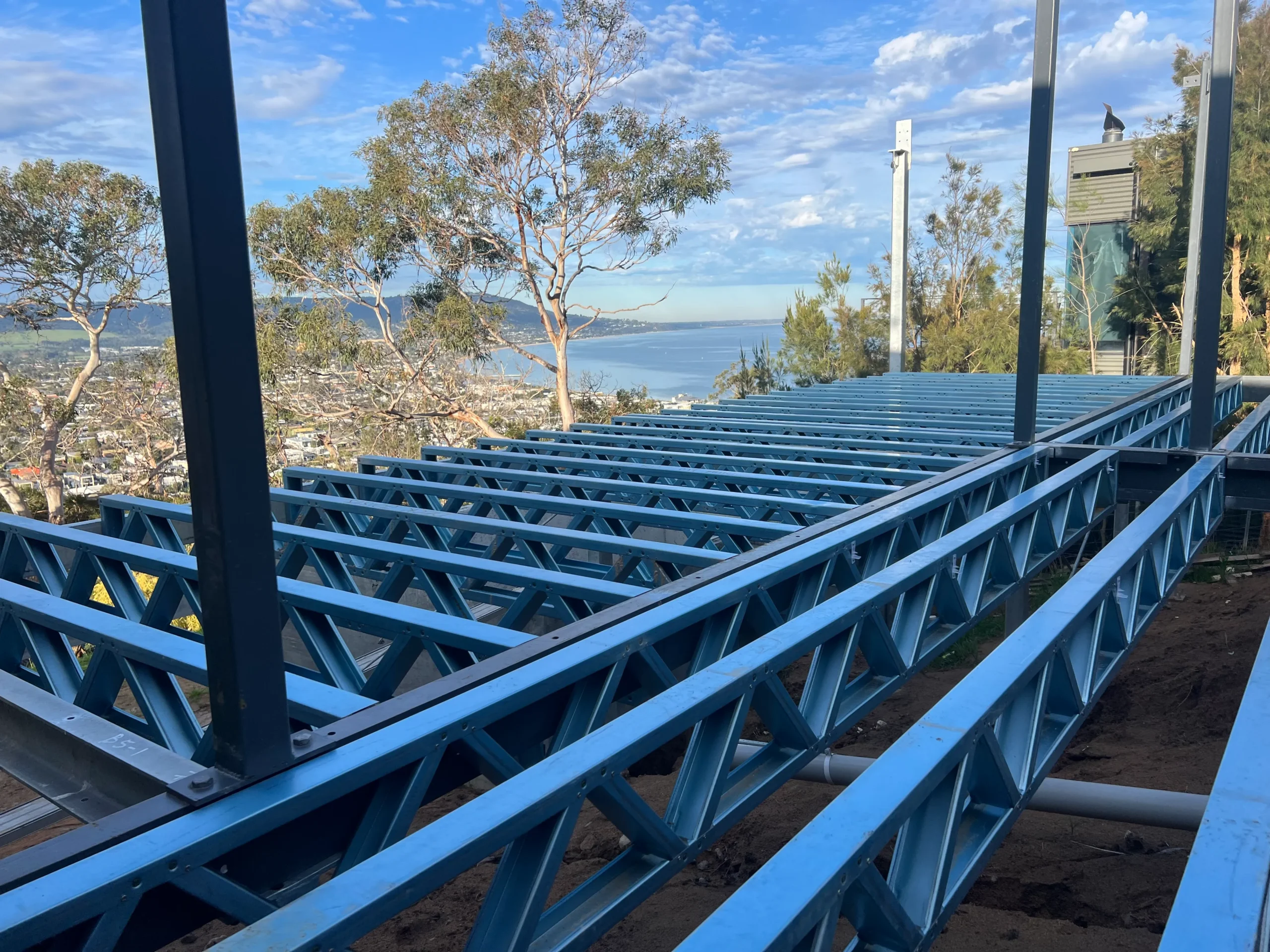
The construction industry is moving faster than ever — and steel is leading the transformation. As builders, architects, and developers look for smarter, stronger, and more sustainable building solutions, steel frame construction is becoming the backbone of modern design.
In 2026, several emerging technologies and market shifts are set to redefine how steel frame buildings are designed, fabricated, and built. Let’s explore the biggest trends that will shape the future of construction.
Sustainability is no longer optional — it’s essential. By 2026, builders and regulators are demanding lower carbon footprints across all stages of construction. Steel, being infinitely recyclable, is already a key part of green building practices.
But the next step goes further:
For companies like CMC Steel Solutions, this means delivering steel frame systems that not only meet strength and durability standards but also support environmentally responsible building practices.
Prefabrication is revolutionising the way projects are built — and steel frame construction is at the heart of it.
By 2026, expect to see most new steel buildings using modular frame systems built off-site in controlled environments. Once fabricated, these components are transported to the site and assembled in days rather than weeks.
This trend offers:
For Melbourne builders facing labour shortages and strict deadlines, prefabricated steel frame buildings offer an unmatched advantage in both speed and reliability.
Gone are the days of 2D blueprints. Today’s construction ecosystem is digital — and Building Information Modelling (BIM) sits at its core.
Through BIM and 3D modelling, engineers and architects can plan, simulate, and optimise every aspect of a steel frame building before a single beam is cut.
By 2026, digital tools like AI-driven design, digital twins, and automated fabrication software will make it easier to deliver precision-engineered steel frames with near-zero errors.
At CMC Steel Solutions, adopting digital workflows means tighter coordination, fewer site delays, and superior structural outcomes for clients.
Modern buildings need to adapt — whether that’s adding new floors, reconfiguring layouts, or changing use entirely. Steel frame construction provides the flexibility to make that happen.
The coming year will see more designs that:
This makes steel frame buildings ideal for commercial developers, warehouses, and industrial facilities across Melbourne that want to plan for the future without starting from scratch.
Innovation in steel materials is accelerating. By 2026, lightweight high-strength alloys, corrosion-resistant coatings, and composite frame systems will become mainstream.
Hybrid construction — combining steel with insulated panels or reinforced concrete — is also on the rise. This combination offers better thermal performance, sound insulation, and lower operating costs.
Another growing area is smart steel structures, which use embedded sensors to monitor stress, vibration, or corrosion in real time — extending the lifespan of the frame while reducing maintenance costs.
The past few years have exposed the fragility of global supply chains. As a result, 2026 will see a shift toward localised steel fabrication.
Builders in Melbourne are increasingly turning to domestic suppliers like CMC Steel Solutions to ensure:
Local fabrication also means better coordination between design, manufacturing, and installation — a major win for efficiency and accountability.
The focus in 2026 isn’t just on construction — it’s on whole-of-life performance. Steel frame buildings are now being designed with lifecycle efficiency in mind, prioritising:
This shift toward circular design reinforces steel’s role as the ultimate sustainable building material — and positions steel frame construction as a long-term investment, not a short-term cost.
From green steel to digital construction and modular systems, the future of steel frame construction in 2026 is smart, sustainable, and efficient.
For Melbourne builders, developers, and architects, staying ahead of these trends means partnering with experts who understand both the technology and the local market.
At CMC Steel Solutions, we’re proud to lead the way with cutting-edge steel frame buildings that are strong, adaptable, and future-ready.
Contact us today to learn how we can bring your next steel frame project to life — with precision, performance, and sustainability built in from the start.